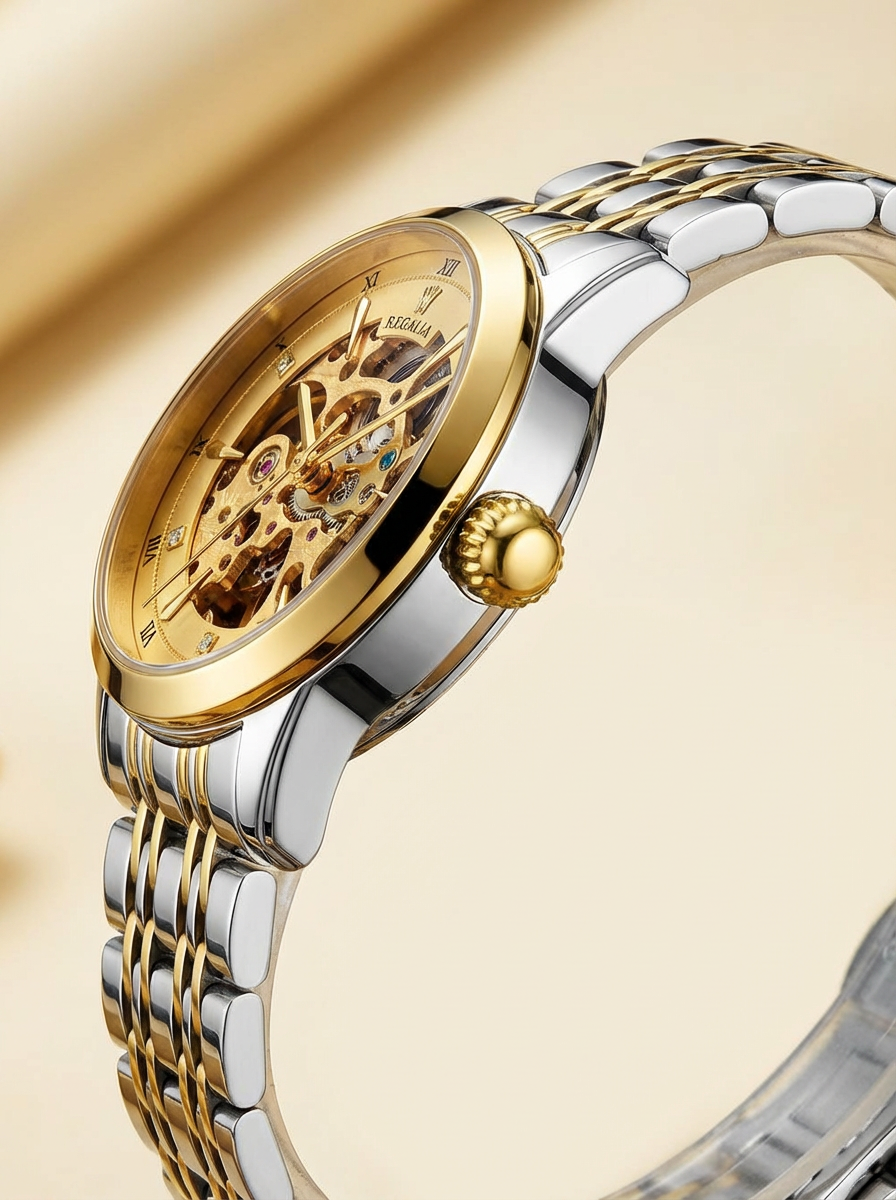
There’s a specific kind of math that’s quietly followed Nepal’s luxury market for years, and it rarely gets said out loud: the watch on someone’s wrist is often priced less by what it’s made of, and more by how many countries it passed through to get there. An import watch doesn’t just carry a factory cost. By the time it reaches a shelf in Kathmandu, it’s carrying a brand’s global marketing budget, a regional distributor’s margin, customs duties, and a retail markup; layered one on top of the other, each one invisible, none of them reflecting anything about the steel, the crystal, or the movement actually inside the case.
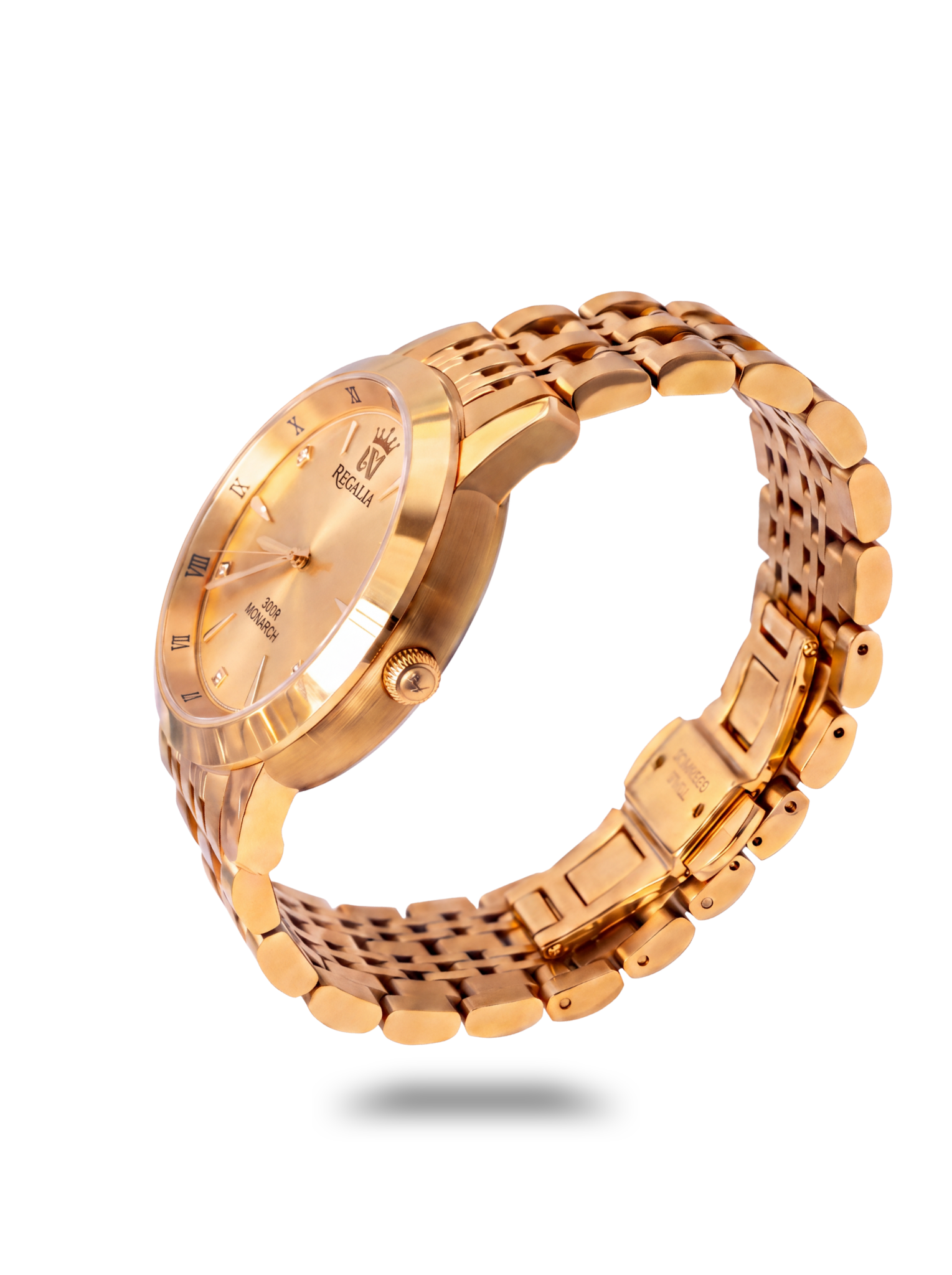
We looked at that chain and asked a simple question: what if we removed it?
Regalia manufactures every watch directly. We’re not licensing a name onto someone else’s factory output, and we’re not importing through three intermediary hands before a piece ever reaches Nepal. We control the design, the sourcing, the production; which means the price on a Regalia here reflects the watch itself: Japanese automatic movement, 316L surgical-grade steel, sapphire crystal. Not four companies’ worth of margin stacked on top of it. This matters more in Nepal than almost anywhere else we sell, because the gap between “looking successful” and “affording to look successful” has historically been wider here than the actual difference in craftsmanship ever justified. A doctor finishing residency, a young entrepreneur closing their first real contract, a son buying his father something meaningful with his first salary, and these are the moments a watch is supposed to mark. They shouldn’t require import-market pricing to do it. We’re not claiming a hundred years of heritage, because we don’t have one, and we’d rather tell you that plainly than borrow a story that isn’t ours. What we do have is a direct answer to an old problem: the same standard of craftsmanship the world associates with luxury, priced for the people actually living and working here. That’s not a discount on quality. It’s the removal of a markup that was never about quality to begin with.